
Nourishing Narratives Weekend Kicks Off in Detroit with Film, Food and a Conversation About Creating Change
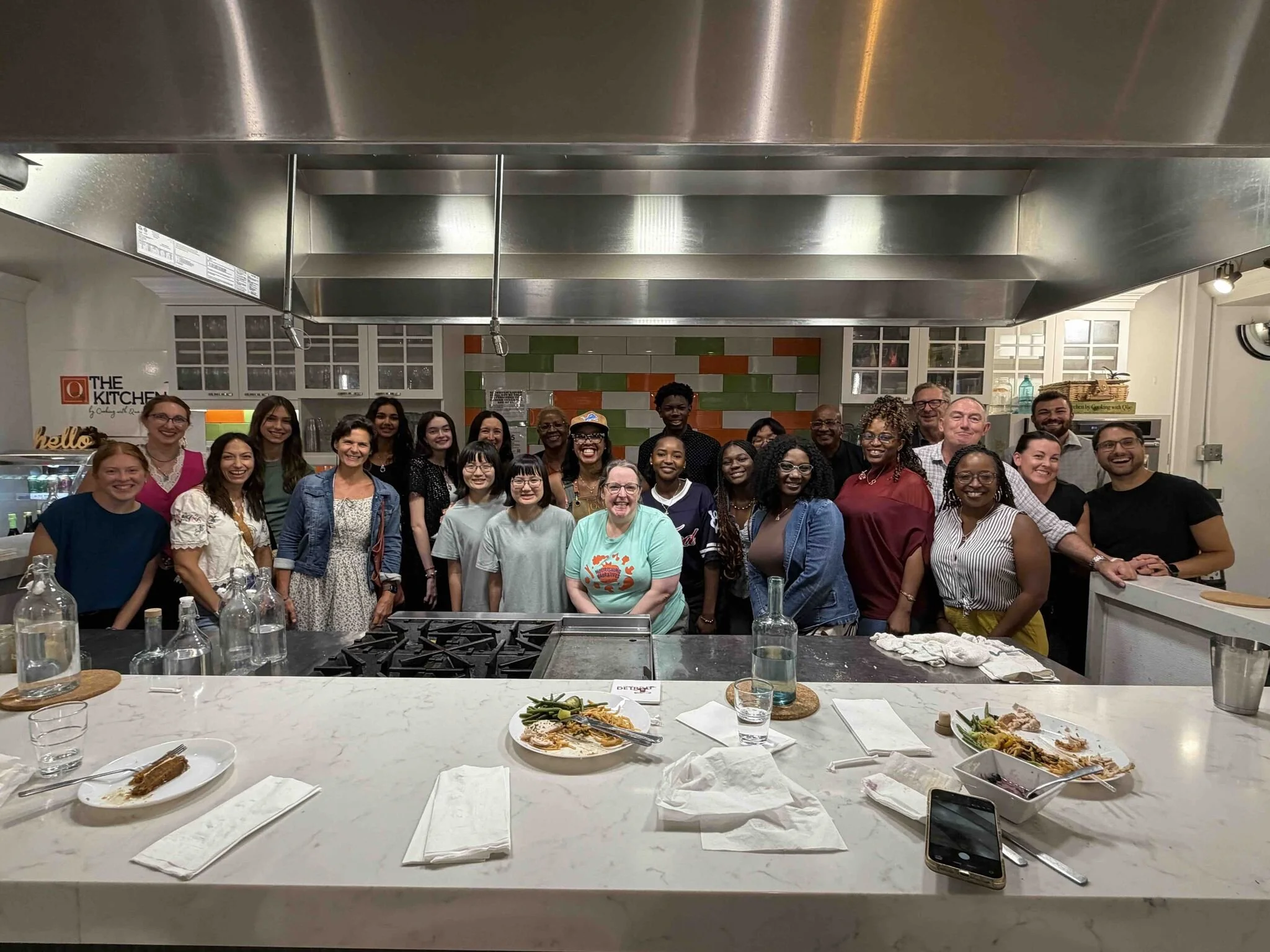
The 2026 Nourishing Narratives winner celebration kicked off Friday, Aug. 14, in Detroit, bringing together youth filmmakers from across the country, educators, food advocates and film professionals for an evening exploring how storytelling can help create better food futures.
Hosted by Mosaic Film Experience in collaboration with Newman’s Own Foundation at College for Creative Studies, the evening centered on a special screening of The Henry Ford’s documentary “Farm to School Lunch Across America: Innovation in School Lunch”. The film chronicles efforts to connect students and schools with farmers, chefs, and fresh food resources while highlighting approaches to making nutritious, locally sourced food more accessible in school cafeterias.
The documentary provided a fitting start to a weekend celebrating the 2026 Nourishing Narratives winners. This year’s teen filmmakers created short films around the theme “Creating Better Food Futures,” using mobile filmmaking to explore food justice issues in their own communities.
Following the screening, Mosaic Film Experience Founder and President Skot Welch moderated a conversation with Michael Craig, teacher of the cognitively impaired and horticulture program instructor with Detroit Public Schools Community District; Debra Reid, Curator of Agriculture and Environment at The Henry Ford; and Jesse Ford, Executive Producer at WTP Films and Producer of “Farm to School Lunch Across America.”
The community conversation began with remarks from Welch; Donald L. Tuski, President of College for Creative Studies; Sam Lyman, Executive and Operations Coordinator at Newman’s Own Foundation; and Shauna Wilson, Senior Advisor for Advancement Initiatives at The Henry Ford. Together, they helped frame a discussion about the many people and systems required to change how young people experience food at school, why understanding where food comes from is an important part of that work, and how collaboration can help create healthier food futures.
Reid shared how deeply food and education are connected to The Henry Ford’s history. When the institution began as a school in 1929, she explained, students grew vegetables as part of their education and shared in proceeds from what they sold.
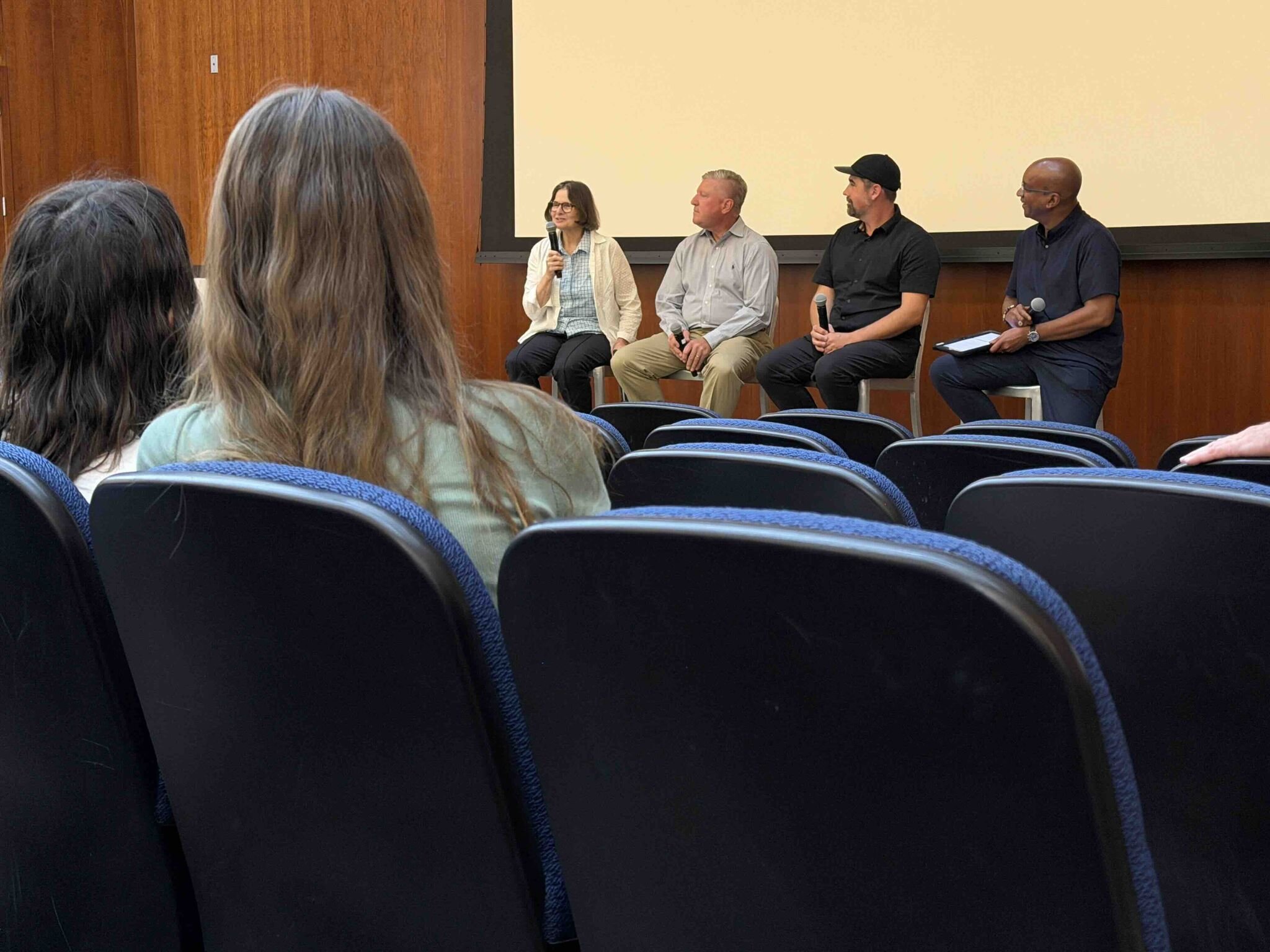
“It’s in the DNA of The Henry Ford to care about school lunch programs,” Reid said. She noted that school gardens and organized efforts to improve what children eat at school have existed for generations, offering valuable lessons for today.
“That historical context is so rich and helps us know that problems can be solved,” Reid said. “And most importantly, that problems have to continually be addressed.”
Craig brought the conversation into today’s Detroit classrooms. Through his vocational horticulture program, students with cognitive impairments grow, harvest, and prepare food while developing skills that can support future employment and independence.
Students also have opportunities to try foods they may never have encountered before, from produce harvested in school gardens to arugula grown through the program’s hydroponic operation.
Across Detroit Public Schools Community District, Craig said 82 of 103 schools have school garden programs, giving students of different ages and abilities opportunities to engage directly with fresh food.
Storytelling as a Tool for Change
The conversation also turned to a question at the heart of Nourishing Narratives: What role can storytelling play in moving people from awareness to action?
For Ford, the documentary offers a way to connect communities already doing innovative work and inspire those looking for a place to begin.
“There’s a lot of great work that is being done across the country, but you’re kind of in your bubble,” Ford said. By showing what communities are accomplishing elsewhere, he hopes the documentary can spark ideas and serve as a case study for school districts interested in beginning similar work.
Reid emphasized that storytelling is most powerful when it creates conversation rather than simply delivering information.
“Storytelling is not a one-way street,” Reid said. “It’s not just about listening.”
She connected that idea directly to the Nourishing Narratives filmmakers, noting that their projects required them to engage with other people, develop ideas collaboratively, and bring different perspectives together.
“To me, that’s the power of getting a group of people together about a purpose,” Reid said. “And building a movement.”
The evening ultimately brought the conversation back to the young filmmakers in the audience and the work they had already begun through Nourishing Narratives.
Craig said seeing students use their voices and creativity to address these issues helps sustain his own commitment to the work.
“Part of my motivation is seeing the work that the students are doing with their films,” Craig said. “How are you going to help us in the future? You’re going to go back to your schools and your school districts. What’s next? That’s a question that will help the whole movement.”
Ford encouraged the filmmakers to recognize that creating their films, sharing their perspectives, and participating in the weekend were already meaningful steps toward making a difference.
“Part of making the change is showing up and putting in the time,” Ford said. “You’re already a part of that, and I would just say continue down that path.”
Craig offered an equally direct message: “Keep going, keep looking, keep exploring, keep pressing the issues, keep making your films,” he said. “It’s amazing. We need more people.”
And Reid challenged the students to continue learning about the people at the very beginning of the food system. “Meet a farmer, because better food choices start with them,” she said.
Continuing the Celebration
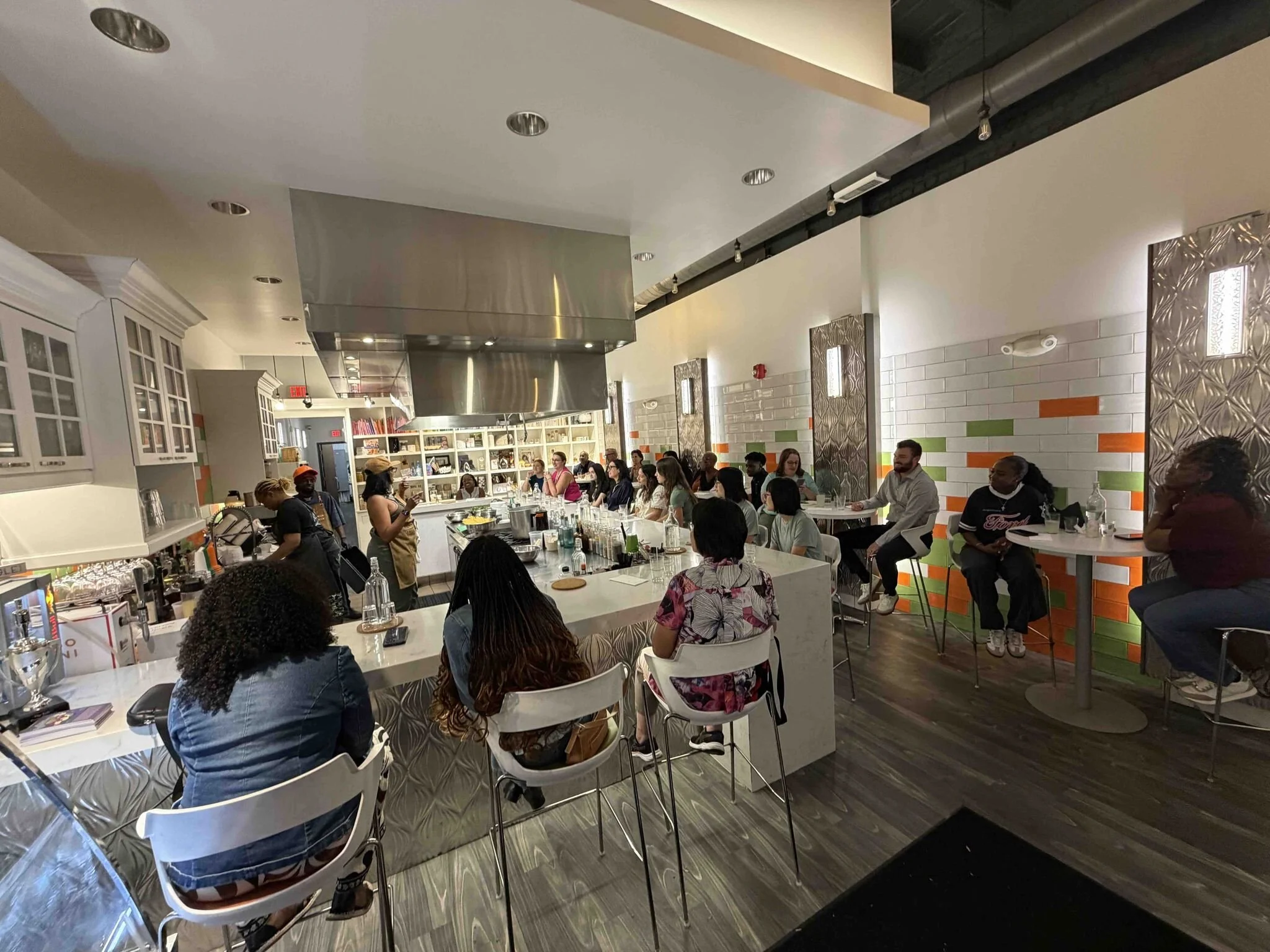
Following the screening and conversation, the Nourishing Narratives winners continued their evening at The Kitchen by Cooking with Que in Detroit, where Chef and owner Quiana “Que” Rice hosted the group for dinner and a cooking demonstration.
The Friday festivities were made possible through the support and collaboration of Newman’s Own Foundation, The Skillman Foundation, The Henry Ford and College for Creative Studies, whose involvement helped bring together students, educators, filmmakers and food justice leaders from across the region.
The weekend also marked an important step in expanding the community of organizations supporting Nourishing Narratives and Mosaic Film Experience, with partnerships across Metro Detroit helping connect the national program with new audiences, resources and opportunities for youth.
“This weekend is about building relationships that can carry this work forward,” said Welch. “By connecting with organizations that share our commitment to young people, storytelling, and community impact, we can reach more students, create more opportunities, and give more young people a platform to share their voices.”
The Friday gathering marked the start of a two-day Metro Detroit experience that recognized the 2026 Nourishing Narratives youth winners from across the country and connected them with professionals working in filmmaking, education, food justice, and community impact.
The celebration continued Saturday, Aug. 15, at The Henry Ford Museum of American Innovation, where all 10 winning Nourishing Narratives films premiered on the Giant Screen Experience and the young filmmakers took center stage.
