
2026 Nourishing Narratives Winners Take the Big Screen
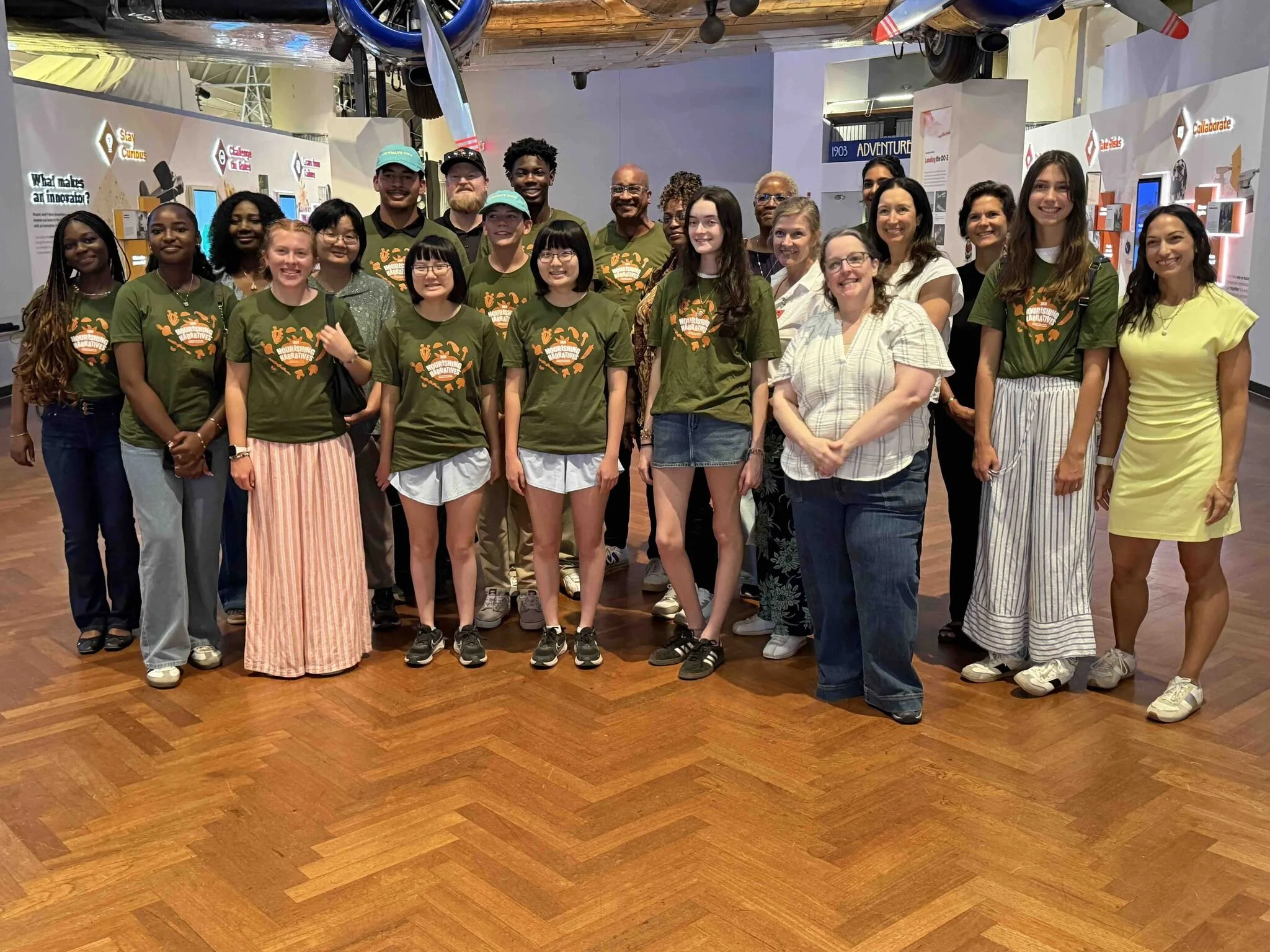
The 2026 Nourishing Narratives winner celebration culminated Saturday, Aug. 15, bringing together Nourishing Narratives winners and their families, educators, filmmakers, food justice leaders, and community partners for an afternoon centered on the creativity and perspectives of this year’s student storytellers.
This year’s Nourishing Narratives competition invited teens ages 13–18 to create short films entirely on mobile devices around the theme “Creating Better Food Futures.” Winners represented nine states and explored topics including access to healthy food, urban farming and community gardens, organizations feeding their communities, food education and Indigenous food justice.
Mosaic Film Experience Founder and President Skot Welch reflected on the growth of Nourishing Narratives, now in its second year in collaboration with Newman’s Own Foundation, and the importance of creating opportunities for young people to tell stories about issues that matter to them.
“This weekend showed what can happen when we bring young people, storytelling and community partners together around a shared purpose,” Welch said. “Expanding Mosaic’s presence in Detroit is helping us build new relationships, reach more students, and create more opportunities for young people to see where their creativity can take them. Nourishing Narratives is growing into a platform that can connect youth voices with communities across the country.”
Hosted at The Henry Ford Museum of American Innovation in Metro Detroit, thewhere young filmmakers from across the country saw their award-winning work presented on the Giant Screen Experience and joined a conversation about storytelling, food justice, and the power of youth voices.
Before the films began, Welch thanked the judges who reviewed entries from across the country and shared a recorded message from Stephanie Lip, Senior Director of West Coast Operations of the Chef Ann Foundation, one of this year’s judges. He also recognized the partners who helped make the Detroit celebration possible, including Newman’s Own Foundation, Mosaic Film Experience, The Skillman Foundation, The Henry Ford and College for Creative Studies.
Shauna Wilson, Senior Advisor for Advancement Initiatives at The Henry Ford, welcomed the students and reflected on the connection between storytelling and innovation. Sam Lyman, Executive and Operations Coordinator at Newman’s Own Foundation, also addressed the winners and spoke about the Foundation’s continued collaboration with Mosaic Film Experience.
Sam shared, “Our founder Paul Newman—actor, racecar driver, and philanthropist—believed in giving back, but he also believed in the power of creativity to bring people together. Supporting these young filmmakers is one way we continue that legacy by investing in the next generation of changemakers.”
The lights then dimmed as all 10 winning films were presented on the Giant Screen, giving the young filmmakers an opportunity to experience their work alongside their peers, families, and community members.
Following the screening, Welch congratulated the students. “Thank you, students, for those amazing stories. That was really, really excellent. I think our future is in good hands,” he said.
Food, Film, and the Power of Perspective
The screening was followed by a film and food justice conversation moderated by Impact Producer, Founder of TMedia Impact Solutions, and Mosaic Film Experience Advisory Board Member Tamarra Campbell.
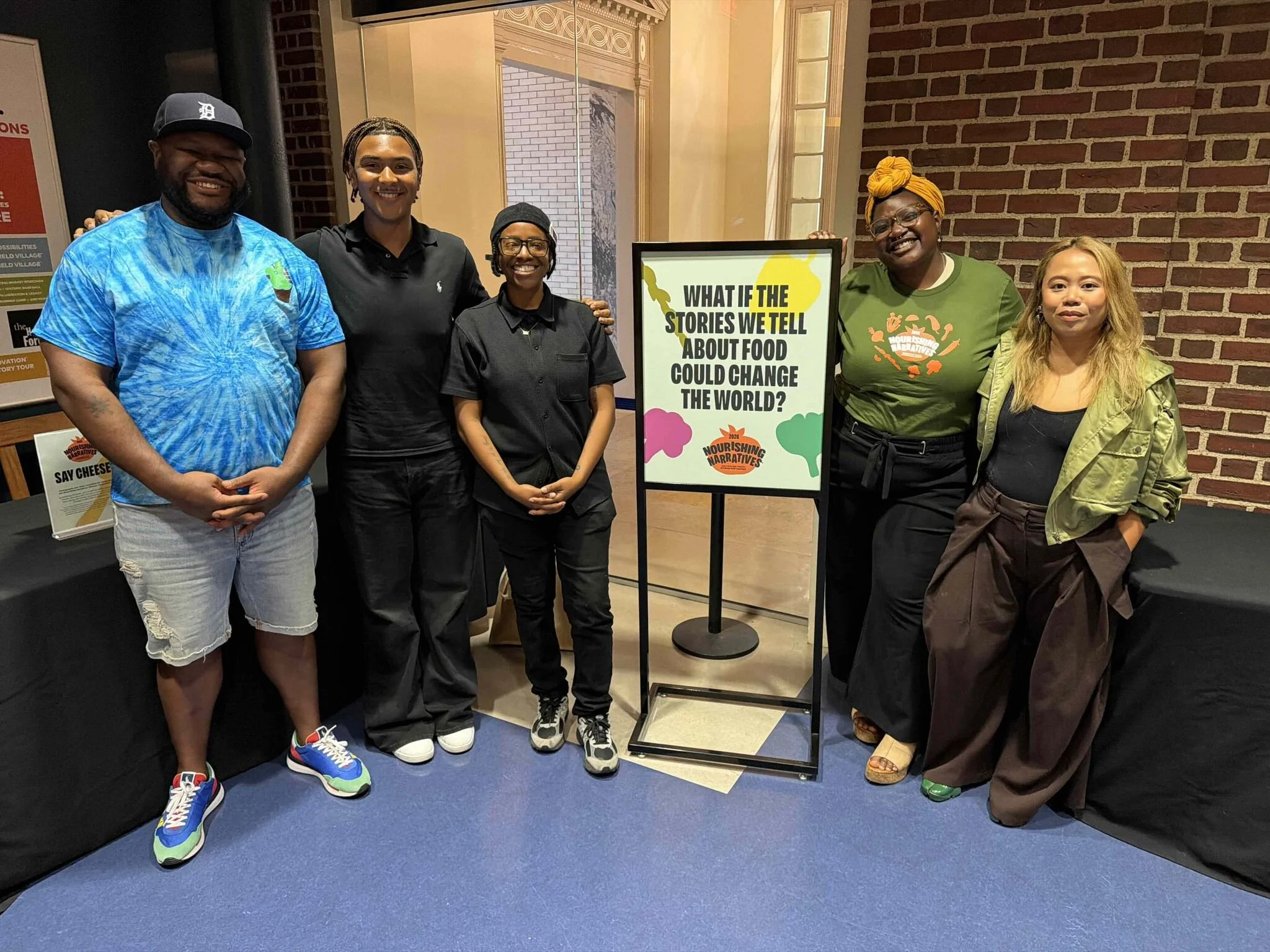
From left to right: Chef Jermond Booze, David Harrison, Le’Genvieve Squires, Tamarra Campbell, Eden Sabolboro
The panel featured Chef Jermond Booze, Culinary Manager and Advanced Program Lead at Detroit Food Academy and a former competitor on Food Network’s Chopped; Le’Genvieve Squires, Director of Workforce Development at Detroit Food Academy; Emmy Award-winning filmmaker Eden Sabolboro of Reel Clever; and Detroit Food Academy student David Harrison. Detroit Food Academy is a grantee partner of Newman’s Own Foundation.
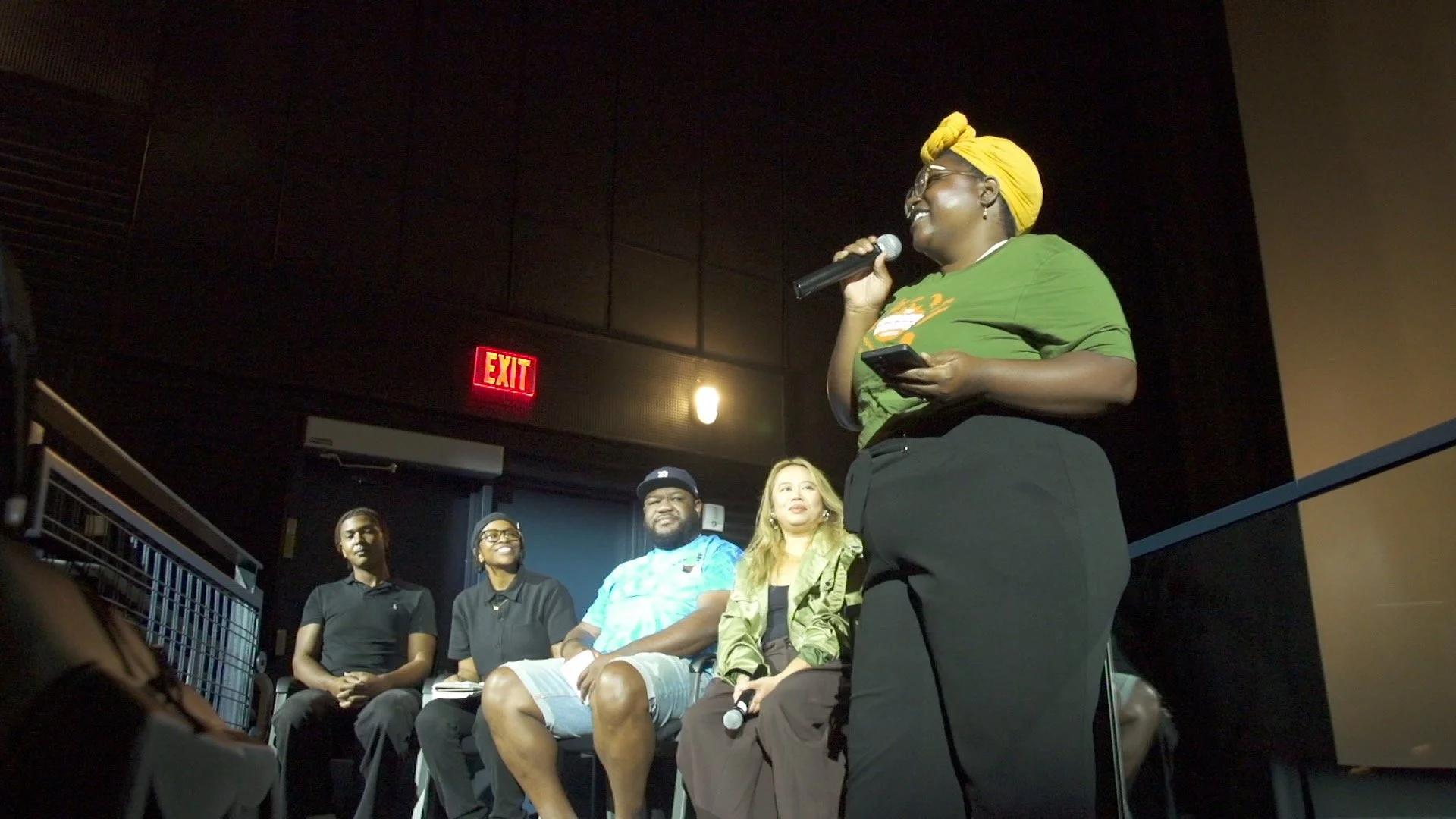
Campbell opened the conversation by recognizing the impact already visible in the students’ work. “The joy of being an impact producer is really understanding four pillars of impact: changing minds, changing behaviors, structural change, and building communities,” she said. “We saw a lot of that in these films.”
The discussion explored how food can shape identity, culture, careers, and communities, and how storytelling can give young people agency over the issues that affect them.
Booze spoke about the confidence he sees young people develop through culinary education.
While many Detroit Food Academy students initially enter the program unsure of their abilities or future direction, working in the kitchen can become a pathway to more than cooking skills.
“They become more knowledgeable about who they are as a person and more confident in who they are as a person,” Booze said. “Cooking becomes a lifeline and a development tool.”
Squires emphasized the importance of exposing young people to the many careers connected to food systems.
“Food justice isn’t just how you grow food; it’s how we interact with food in general,” she said, noting that careers can range from culinary arts and farming to photography, writing, entrepreneurship, and workforce development.
Powerful Stories Don’t Require Expensive Tools
For Sabolboro, the students’ films demonstrated one of the central ideas behind Nourishing Narratives: meaningful storytelling does not depend on expensive equipment. “We are living in a time when truly the power of storytelling and the power of technology is in our pocket,” she said.
Sabolboro encouraged the filmmakers to focus first on the story they want to tell rather than the technology available to them. “At the end of the day, it really is about the story,” she said. “It’s about who is telling that story.”
That message echoed throughout the winning films, all of which were created on mobile devices.
Sabolboro also praised the filmmakers for using the people, locations, and resources already around them to create compelling work. “You took what was available – your phone, your friends, your family, your houses – and you made incredible narratives out of that,” she said.
Food as Culture, Community, and Connection
The panel also explored why food is such a powerful subject for storytelling.
Harrison described food as something that does more than nourish the body. “Food is something that brings people together,” he said. “Food is something that unites communities.”
Squires called food “a love language,” reflecting on how meals can bridge cultural and language differences and connect people across generations.
For Booze, food can also provide a path toward understanding history and identity. “It’s not just food; it’s who I am, it’s my culture, it’s my civilization,” he said.
Sabolboro shared a similar perspective rooted in her experience as a Filipino immigrant and filmmaker. “When I make my Filipino food for you, I am sharing my family story, my ancestors’ story with you,” she said. “Whenever we exchange food with each other, we do that with each other.”
As the conversation turned back to the Nourishing Narratives filmmakers, panelists repeatedly returned to the leadership and intentionality they saw in the students’ work.
Booze said what impressed him most was not simply technical skill, but the filmmakers’ desire to make an impact. “To me, that equates to every film being made by a leader,” he said. “We always talk about what the future looks like. That’s what the future looks like right there.”
Squires praised the students for having the courage to share their ideas publicly. “They are brave. They are bold to get in front of a film for three minutes to tell their story to us,” she said. “Keep doing, keep learning and keep challenging.”
Harrison, himself a young person participating in Detroit Food Academy, said watching peers use filmmaking to advocate for issues they care about was especially meaningful. “Just using your phone to record something can really change some people and change how they think,” he said.
Building a Bridge
In addition to celebrating awards, the weekend also marked an important step in expanding the organization’s relationships in Metro Detroit.
Welch said the Detroit celebration represented an important step in Mosaic Film Experience’s continued effort to reach more students across Michigan and nationally, while building new relationships with organizations serving young people and creative communities.
“Building new relationships in Detroit is an important part of expanding Mosaic’s reach across Michigan and beyond,” Welch said. “To see those connections come together around Nourishing Narratives, and then see these young storytellers and their work elevated on a national stage, is incredibly exciting.”
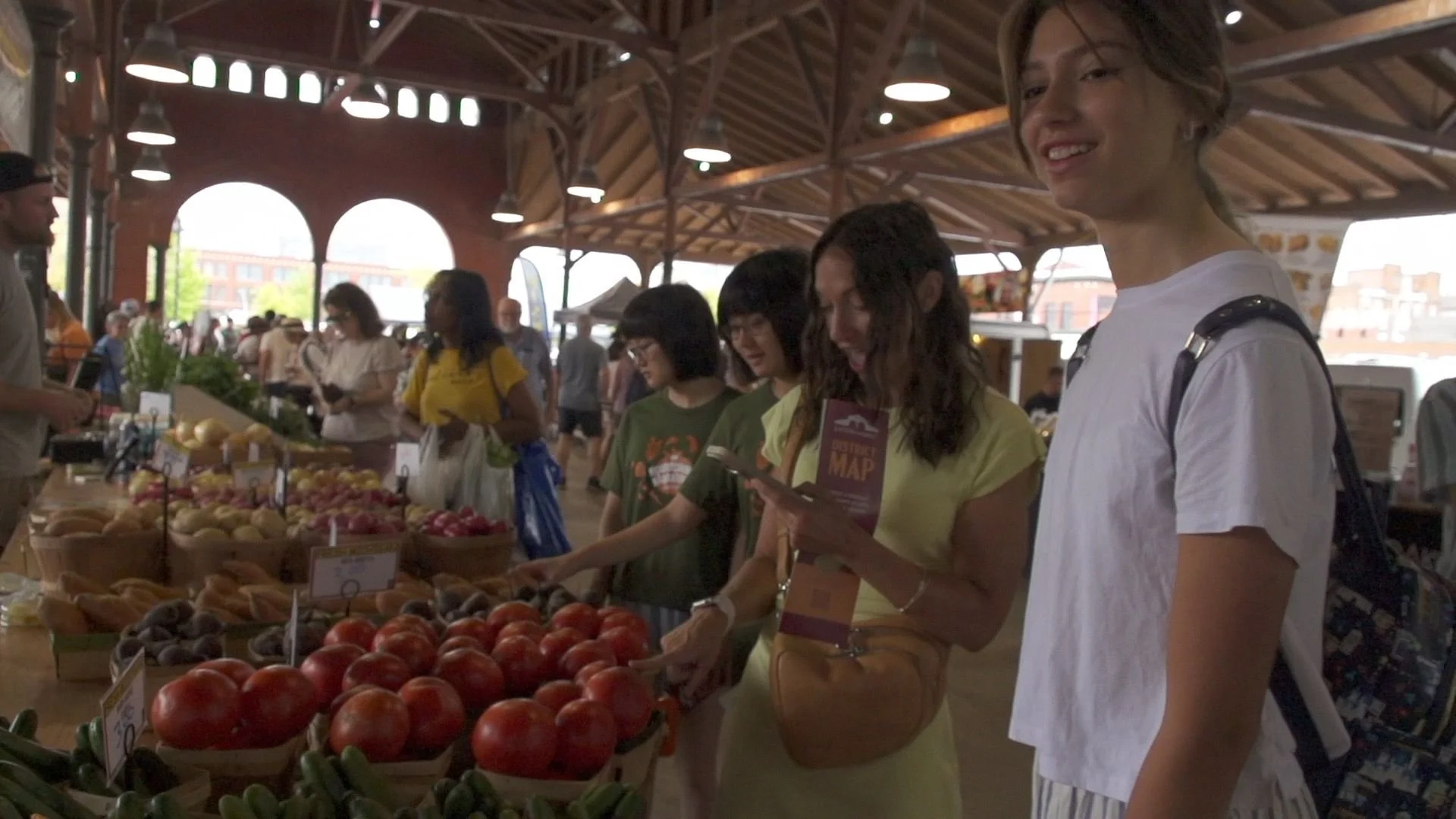
The two-day Detroit experience gave this year’s winners opportunities to explore Eastern Market, Greenfield Village and The Henry Ford Museum, engage with professionals across food, film and education, and connect before seeing their films presented on one of the largest screens in the region. Following Friday’s screening of “Farm to School Lunch Across America,” the filmmakers also visited Seldon Standard. In this Detroit farm-to-table restaurant, General Manager Paul Fradeneck shared how the restaurant works with local food sources and why those relationships matter. The experience brought to life many of the themes around local food systems and communities explored throughout the weekend. Most importantly, the experience gave the young filmmakers a platform to show that their ideas matter now.
As Welch told the audience at the close of the celebration, storytelling can challenge conventions, create connections, and inspire change – and the next generation of storytellers is already doing exactly that.
